

Japan's Pursuit of Perfect Craftsmanship
Japan is well known for taking craftsmanship to the absolute highest level!
Whether it is the world championship of pastry making, or the WorldSkills Competition (a kind of Olympics for skilled trades!) where categories include “the best autobody repair” or “the most outstanding car paint”, Japanese participants are very often among those standing on the winners’ podium.
Prior articles on the JCO blog have already introduced concepts such as “Kaizen” (continuous improvement through small, incremental steps) and “Genba” (ensuring quality by focusing on the actual workplace or point of action).
It is important to understand that this pursuit of perfection permeates almost every aspect of Japanese society.
An interesting example:
One of our JCO trainers from Germany is not only a translator, but also a passionate carpenter.
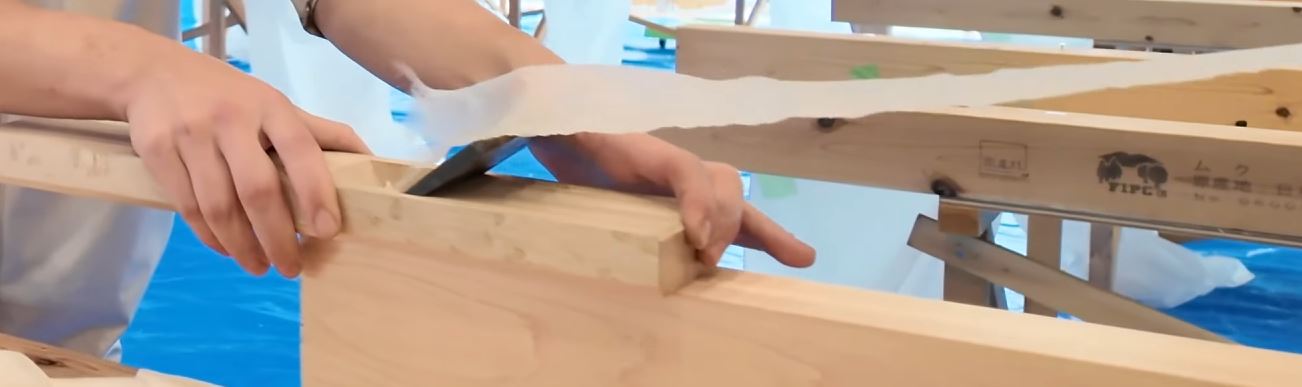
As Japan is renowned for its unique woodworking traditions, including highly sophisticated wooden joints created entirely without metal or glue, our colleague spent time last year as a short-term “apprentice” with a Japanese master carpenter (shokunin) in Shizuoka.
There, he experienced exactly the kind of apprenticeship that reflects traditional Japanese management and learning styles.
In other words, there were very few concrete verbal instructions. Instead, there was a strong emphasis on careful observation, in other words by watching closely he was meant to discover techniques independently to gradually develop an understanding of the processes and craftsmanship.
"Stealing Knowledge": The Traditional Way of Learning
This approach is sometimes described as “nusunde oboeru”/盗んで覚える (literally “stealing knowledge”) meaning that the learner actively observes and absorbs skills from the master.
On top of that, rather than receiving praise and encouragement when making progress, feedback often came in the form of warnings and criticism: “This part is still not good enough here and here! Do it again.”
This mirrors the traditional Japanese approach to people management, which differs significantly from many modern Western concepts of leadership and employee development.
Bridging the Gap Between Japanese and Global Leadership
Although many Japanese companies have made significant changes in leadership and people management since the mid-2010s, driven in part by generational change, there are still many Japanese managers, especially in manufacturing industries (including some at President level), who do not necessarily see their role as being a “people-leader and motivator.”
However, this lack of awareness does not come from laziness or unwillingness. Rather, it is often based on the assumption that even local employees overseas will naturally share traditional Japanese values. In other words they might assume that “Individual motivation from the boss is not necessary, because everyone always gives 100% for the sake of the task itself.”
The good news is that even traditional “old-school” Japanese managers can learn to develop their own modern management skills!
JCO is offering open workshops and in-house programs on this topic like the Efficiency Booster session “Managing Local Staff Effectively” (in Japanese) which is a highly practical workshop focusing exactly on these topics that includes case studies and role plays!
Here is one last quiz:
What exactly can we see in this photo from a carpentry gathering that our JCO colleague attended in Japan?
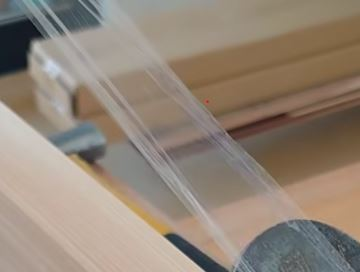
It is one of the winners of the competition for “who can create the longest and thinnest wood shaving.” (削ろう会)
In Japan, the shavings can become so thin that you can actually read a newspaper through them.
This perfectionist mindset makes Japan so special!